Guardian Vitals App Proves Performance in Austere Field Test

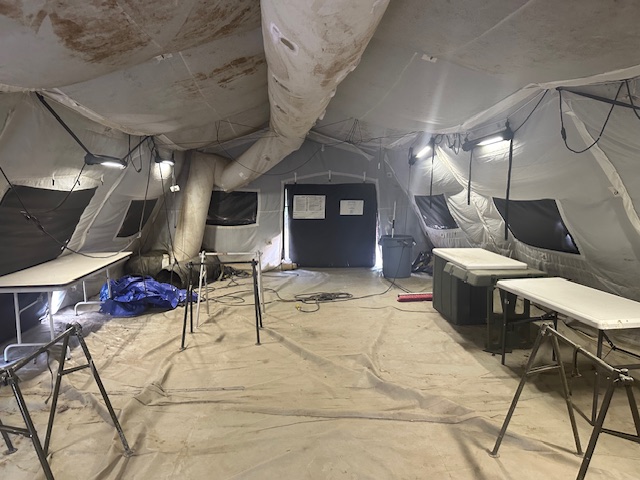
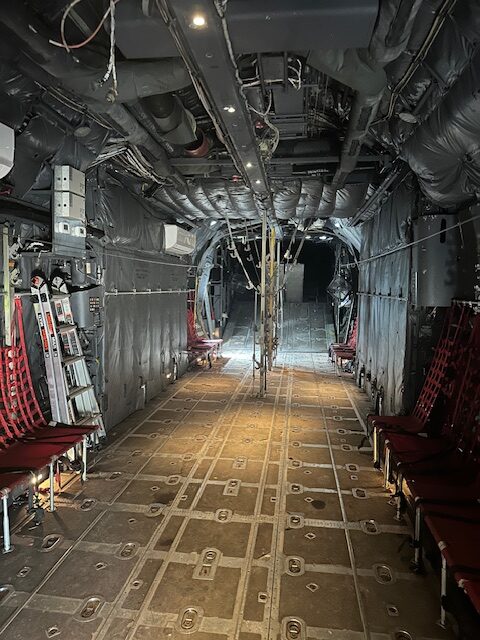
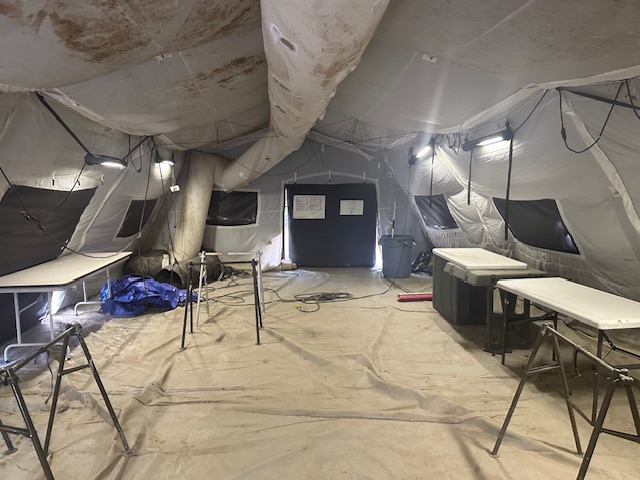
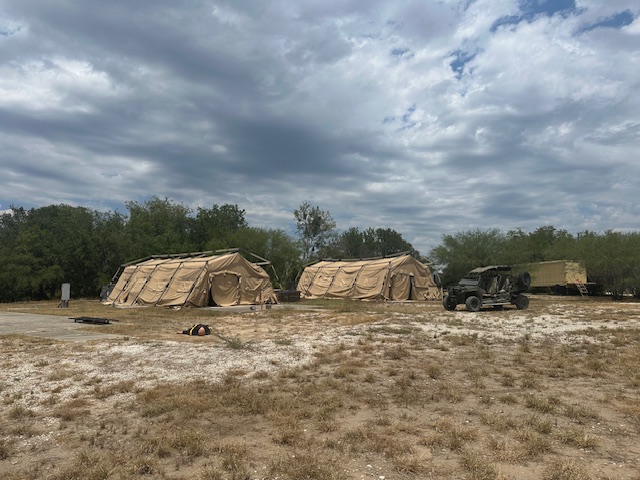
A recent product evaluation tested the Guardian Vitals app in a simulated forward-deployed, austere medical environment. The objective was to assess how the device performs in real-world field conditions compared with currently approved patient monitoring systems used in military and remote care settings.

Evaluating the Guardian Vitals app was The Geneva Foundation, a nonprofit that accelerates operationally relevant, military-unique research that aligns with Department of Defense (DoD) requirements to ensure mission success. Geneva delivers deployable medical solutions that protect the health, readiness and capabilities of service members and the communities they serve.

“The functionality of this system is ideal for continued patient care in the Role-II setting and should be given strong consideration to be added to the current deployment medical equipment packages, across all DoW (Department of War) domains. The value this device can yield in terms of situational awareness is immeasurable if properly utilized.”

– 2026 Product Tester

Field Testing in Operational Medical Training

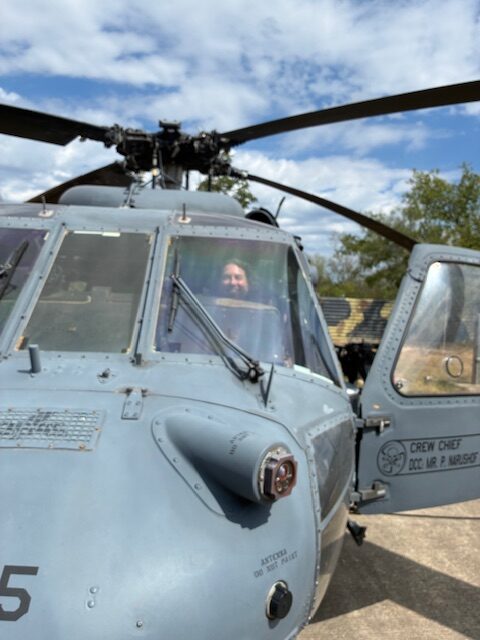
The performance assessment took place during medical sustainment training led by Joint Base San Antonio’s VAPOR program, the Validated Assessment Program for Operational Readiness, in partnership with Trauma Research and Combat Casualty Care Collaborative (TRC-4), a major research initiative established by The University of Texas System Board of Regents and the Texas Legislature. The Guardian Vitals device was used during patient intake exams and acute pain assessments within a simulated Role II medical facility.

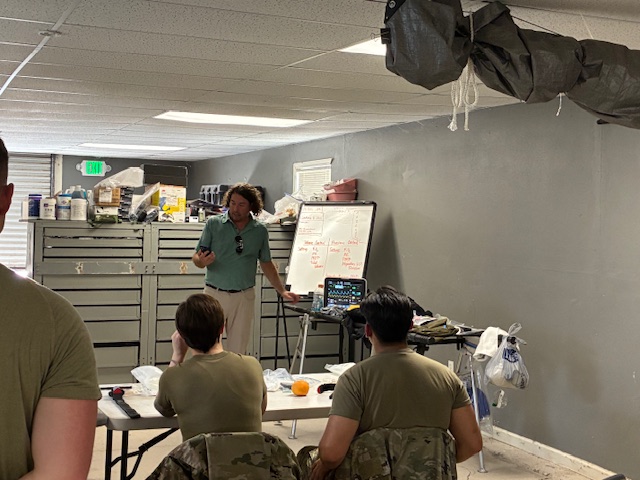
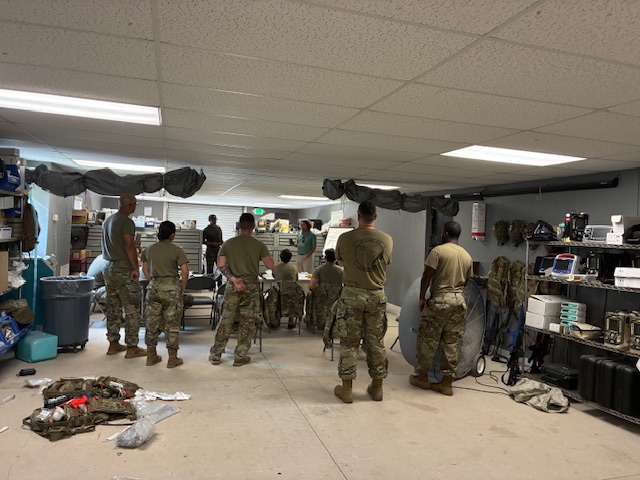
VAPOR staff provided on-site training and oversaw device use throughout each scenario. All core functions were evaluated, including start-up, user operability and overall ease of use. The platform operated in demo mode, as live human trials were not required. Training scenarios incorporated realistic patient models to measure usability in demanding, resource-limited environments.

Evaluating Performance in Austere Conditions

The evaluation focused on the functionality of Guardian Vitals under field-relevant conditions, including:

  • Low light usability
  • Battery life during extended operations
  • Portability for mobile medical teams
  • Ruggedness in unconventional warfare and nontraditional clinical settings

These factors are critical for prolonged field care, remote medicine and military medical operations where reliability and mobility directly affect patient outcomes.

Six Months of Simulated Operational Use

Over a six-month observation period, the Guardian Vitals app was used 10 times during training scenarios and demonstrations. A total of 25 simulated patients were monitored. Cases included traumatic combat-related injuries as well as general medical conditions.

Vital sign data collected by the device was relayed to a Role II provider, supporting informed medical decision-making during prolonged field care in austere treatment environments.

Operational Impact and Deployment Potential

Based on training-based performance, the Guardian Vitals app demonstrated effectiveness in monitoring both combat-related trauma and general medical patients in austere environments. While capable of operating in multiple settings, evaluators noted the system is especially well-suited for traditional medical facilities where consistent power is available. 

The platform’s size, weight and cabling did not present operational challenges during field simulations. Its functionality proved particularly valuable for continued patient monitoring in the Role II setting, where ongoing assessment is critical during prolonged field care.

“This is a fantastic device. I can see it being an essential piece of equipment for field medical use.”

– 2026 Product Tester

Evaluators recommended that Guardian Vitals receive strong consideration for inclusion in current deployment medical equipment packages across all DoD domains. When properly utilized, the system significantly enhances medical situational awareness, supporting informed decision-making in complex operational environments.

guardianvitals.com
Dr. Justin Scott, Founder
justin@guardianvitals.com
Interested in evaluating the Guardian Vitals app in your training environment?

Hands-on assessment during medical readiness exercises can help teams determine how advanced monitoring technology fits within their level of care, mobility requirements and operational workflows.

Contact our team to discuss incorporating Guardian Vitals into upcoming training, simulation exercises or medical capability evaluations. We can coordinate device demonstrations, training support and evaluation guidance tailored to care settings.

Start the conversation about bringing Guardian Vitals into your next training cycle.

What Happens When You Test a Vital Signs Monitor in an Austere Environment?

Military and remote medical teams operate in some of the most unpredictable environments in healthcare. Limited light, unreliable power, mobility demands and high-acuity patients all challenge traditional monitoring equipment. That’s why realistic field testing matters.

A recent training-based evaluation put the Guardian Vitals app to the test in a simulated forward-deployed medical setting. The goal was simple: understand how the system performs in the kinds of environments where prolonged field care and Role II medicine happen every day. Role II medical treatment facilities are mobile, forward-deployed units designed to provide advanced trauma resuscitation and damage control surgery close to the battlefield.

Testing During Real-World Medical Training

The assessment took place during medical sustainment training at Joint Base San Antonio through the VAPOR program, the Validated Assessment Program for Operational Readiness, in partnership with TRC-4. Rather than a lab-style test, the device was used during realistic patient intake exams and acute pain assessments inside a simulated Role II facility.

Medical staff received on-site instruction and used the platform throughout multiple training scenarios. Evaluators observed start-up, usability and overall performance while teams worked through patient care tasks under simulated operational stress.

What Do You Look for in Austere Medical Monitoring?

When equipment is used in field medicine, performance goes beyond basic functionality. This evaluation focused on how Guardian Vitals handled key operational demands, including:

  • Usability in low-light environments
  • Battery performance during extended operations
  • Portability for mobile medical teams
  • Durability in unconventional and resource-limited care settings

These are the conditions that define austere medical environments, where reliable vital signs monitoring can directly influence triage, treatment decisions and patient outcomes.

Six Months of Simulated Use

Over a six-month observation period, the Guardian Vitals app was used 10 times across training scenarios and demonstrations. Teams monitored 25 simulated patients presenting with both combat-related trauma and general medical conditions.

Vital sign information was relayed to a Role II provider, supporting care decisions during prolonged field care scenarios. The device’s size, weight and cabling did not create operational barriers during training use, an important factor for teams balancing mobility and capability.

Where Did the Device Fit Best?

While the platform demonstrated it could function in multiple environments, evaluators noted it is especially well-suited for traditional medical facilities where reliable power is available. Its capabilities were particularly valuable for continued patient monitoring in the Role II setting, where sustained observation plays a key role in patient management.

Perhaps most importantly, evaluators emphasized the system’s contribution to medical situational awareness, giving providers clearer, more consistent insight into patient status during complex care situations.

Why More Training Programs Should Consider Testing

No single evaluation answers every operational question. That is why exposure across different units, training pipelines and mission profiles is so important.

Training-based assessments like this allow medical teams to:

  • See how monitoring technology performs under a realistic workload
  • Identify where a system best fits within their level of care
  • Evaluate usability before operational adoption
  • Strengthen clinical decision-making tools in prolonged field care

As military and remote medicine continue to evolve, so does the need for adaptable, field-ready monitoring solutions. Expanding hands-on testing across training environments helps ensure the right tools are in the right hands when it matters most.

Organizations interested in evaluating vital signs monitoring technology in austere or Role II training settings may benefit from incorporating systems like Guardian Vitals into upcoming exercises and medical readiness programs.

Guardian Vitals App Gains Stamp of Approval for Military Use


Use of this remote, real-time anesthesia monitoring app shows promise in military medicine

ATLANTA, February 27, 2026 — Guardian Vitals, the revolutionary anesthesia remote monitoring app, has been reviewed and recommended for field use by The Geneva Foundation, a military medical research organization. After a six-month product evaluation simulating challenging, front-line medical environments, Guardian Vitals delivered deployable medical solutions that protected the health, readiness and capabilities of service members and the communities they serve.

Patented in 2014, the Guardian Vitals app is advancing the practice of anesthesiology, providing smarter monitoring, faster response time and safer patient outcomes. Physicians can now view all their active cases in real time on their mobile device and set specific parameters for each patient, receiving automatic SMS and email notifications the moment vital signs fall outside that range.

“The functionality of this system is ideal for continued patient care in the Role II setting and should be given strong consideration to be added to current deployment medical equipment packages across all DoW (Department of War) domains,” said W. Douglas Gissendanner, 24-year Air Force veteran and program manager of The Geneva Foundation. “The value this device can yield in terms of situational awareness is immeasurable.”

 The Guardian Vitals app was used during patient intake exams and acute pain assessments within a simulated Role II medical facility, a field-based facility that provides advanced trauma management. A total of 25 simulated patients were monitored, measuring the app start-up, user operability and overall ease of use in demanding, resource-limited environments. Cases included traumatic combat-related injuries as well as general medical conditions.

The results of the evaluation showed that the Guardian Vitals app was able to monitor both combat-related trauma and general medical patients in challenging environments. Its functionality proved particularly valuable for continued patient monitoring in the Role II setting, where ongoing assessment is critical during prolonged field care. The app significantly enhanced medical situational awareness, supporting informed decision-making in complex operational environments.

“This is exactly what I created Guardian Vitals for—critical visibility and communication in high-stakes moments,” said Dr. Justin Scott, founder and CEO of Guardian Vitals. “There was a huge technology gap in the field of anesthesiology. Guardian Vitals bridged the gap with its real-time patient monitor visibility and immediate, customizable alert notifications. It’s an honor to have the app’s capabilities recognized by The Geneva Foundation.”

Dr. Scott began his anesthesiology career in 2001, handling patient cases with outdated technology and communication systems that could cause delays in time-critical moments. With his extensive experience in the field and understanding of the complex, pivotal situations that can occur in an operating room, Dr. Scott was driven to create Guardian Vitals.

“Medical technology innovations are essential to ensure our warfighters can achieve and maintain the same survivability rates during the next war,” said Gissendanner. “Having situational awareness on patient status is a very important aspect of prolonged care that this machine can assist with.”

The performance assessment took place during medical sustainment training led by Joint Base San Antonio’s Validated Assessment Program for Operational Readiness (VAPOR) program, in partnership with Trauma Research and Combat Casualty Care Collaborative (TRC-4), a major research initiative established by The University of Texas System Board of Regents and the Texas Legislature.

ABOUT GUARDIAN VITALS

Guardian Vitals is an app built for vigilance across multiple operating rooms at once, providing early alerting and improving patient safety. Built by Dr. Justin Scott, an anesthesiologist with more than 20 years of experience, and designed to fit seamlessly into workflow, Guardian Vitals uses AI-powered technology to modernize the field of patient monitoring. Physicians can easily view all cases in real-time on any mobile device, with the ability to configure vital ranges and set customized SMS and email alerts for each patient, bringing peace of mind to care teams, patient families and hospital systems. To learn more, visit www.guardianvitals.com

###

Guardian Vitals App Selected for Military Medical Evaluation in Simulated Field Environment


Founder Dr. Justin Scott to Introduce Remote Anesthesia Monitoring Technology for Assessment by The Geneva Foundation

ATLANTA — Guardian Vitals, a remote, real-time anesthesia monitoring application developed by Vigilant Medical Solutions LLC, has been selected for evaluation by The Geneva Foundation as part of an upcoming military medical readiness assessment.

The evaluation will examine how Guardian Vitals performs in simulated frontline medical environments designed to reflect the demands of deployed care settings. The testing will focus on usability, situational awareness and the app’s ability to support clinicians responsible for monitoring patients in resource-limited and high-acuity conditions.

Guardian Vitals enables physicians to view multiple active patient cases in real time on a mobile device while setting individualized parameters that trigger alerts when vital signs move outside established ranges.

Developed by anesthesiologist Justin Scott, M.D., FASA, the platform was created to address longstanding challenges associated with maintaining continuous awareness of patient status across complex care environments.

“Providing clinicians with immediate visibility into critical patient information is essential, particularly in settings where conditions can change rapidly,” said Dr. Scott. “This evaluation represents an opportunity to understand how Guardian Vitals may support medical teams operating in demanding field environments.”

The assessment is expected to take place during medical sustainment training conducted through Joint Base San Antonio’s Validated Assessment Program for Operational Readiness (VAPOR), in collaboration with the Trauma Research and Combat Casualty Care Collaborative, a research initiative established by the University of Texas System.

Feedback gathered during the evaluation will help inform continued development of the Guardian Vitals platform as it explores applications supporting both military and civilian patient care environments.

ABOUT GUARDIAN VITALS

Guardian Vitals is an app built for vigilance across multiple operating rooms at once, providing early alerting and improving patient safety. Built by Dr. Justin Scott, an anesthesiologist with more than 20 years of experience, and designed to fit seamlessly into workflow, Guardian Vitals uses AI-powered technology to modernize the field of patient monitoring. Physicians can easily view all cases in real-time on any mobile device, with the ability to configure vital ranges and set customized SMS and email alerts for each patient, bringing peace of mind to care teams, patient families and hospital systems. To learn more, visit www.guardianvitals.com

###

New Technology Provides Anesthesiologists with Real-Time Visibility to Patients’ Critical Vital Signs


Anesthesiologist creates a solution for preventing in-surgery adverse events through a remote monitoring app 

ATLANTA — A revolutionary mobile app will provide in-hospital anesthesiologists with alerts of real-time changes in their patients’ vitals on their smartphones. Guardian Vitals, created by Vigilant Medical Solutions LLC, enables anesthesiologists to monitor and quickly respond to changes in any of their patients’ vital signs across multiple operating rooms. 

Guardian Vitals technology allows users to set patient-specific parameters and receive proactive updates on vitals, which can decrease the risk of adverse outcomes, such as acute kidney injury (AKI), postoperative delirium, stroke and death. Guardian Vitals technology also helps counter stress levels for patient care teams and distractions in the OR, such as noise levels and alarm fatigue, by sending real-time alerts to the supervising anesthesiologist.

Dr. Justin Scott, M.D., FASA, founder of Vigilant Medical Solutions LLC and a practicing anesthesiologist for more than 20 years, understood the challenges associated with concurrently tracking vital signs of multiple patients. This desire to enhance vigilance and patient care drove the creation and development of hand-held, real-time case visibility.

“The purpose of creating the Guardian Vitals app was to provide clinicians easy access to patient vitals, which is crucial when doctors are working with several patients across multiple operating rooms,” said Dr. Scott. “In the OR, every second counts. With the Guardian Vitals app, we are working to prevent adverse patient events and provide better outcomes by staying on top of any critical changes to our patients’ vitals.”

Guardian Vitals addresses current anesthesiologist staffing shortages by allowing anesthesiologists to monitor more operating rooms simultaneously, despite increased work demands on their time and attention, in a safer and more efficient manner.

ABOUT GUARDIAN VITALS

Guardian Vitals is an app built for vigilance across multiple operating rooms at once, providing early alerting and improving patient safety. Built by Dr. Justin Scott, an anesthesiologist with more than 20 years of experience, and designed to fit seamlessly into workflow, Guardian Vitals uses AI-powered technology to modernize the field of patient monitoring. Physicians can easily view all cases in real-time on any mobile device, with the ability to configure vital ranges and set customized SMS and email alerts for each patient, bringing peace of mind to care teams, patient families and hospital systems. To learn more, visit www.guardianvitals.com

###