Anesthesia Remote Monitoring

Smarter Monitoring

Faster Response. Safer Outcomes.

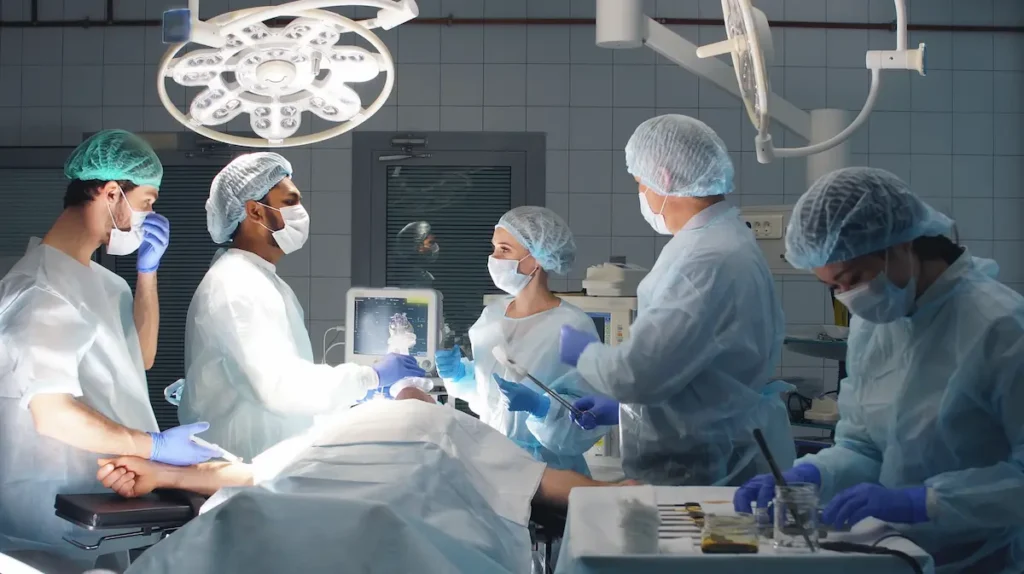
Vigilant Medical Solutions, LLC was founded in 2014 to solve an existing and prevalent need for in-hospital anesthesiologists who lack the ability to remotely monitor and be notified of changes to patients’ vitals in dispersed operating rooms.

2014 Founded
Real‑Time Vitals Monitoring
Multi‑OR Coverage
Instant Alert Notifications
Anesthesia Remote Monitoring App

Utilizing State-of-the-Art Machine Learning

The app provides live alerts directly from the OR to the doctor’s device. This direct patient-to-doctor communication:

Guardian Vitals

From the operating room monitor directly to your device. The Guardian Vitals app creates immense value for the patient, intraoperative personnel, doctors, and the hospital.

See all your cases in one place

When every second counts, be the first to know

Preventing adverse patient events

Solutions

The Difference is in the Machine Learning

Partnering with Digital Scientists, we used advanced machine learning methods to capture, define and structure monitor images and translate the patient vitals with 99+% accuracy directly to the anesthesiologist’s mobile devices.

This approach created a monitor-agnostic system that only gets smarter over time, can be used no matter the hospital technology, and can be used beyond the operating room anywhere a patient is being monitored. And, we made the setup as easy as 1, 2, 3.

Guardian Vitals hardware will be sent to you with simple instructions.

Within 5 minutes, the hardware is easily connected to your OR monitor & WiFi.

Each monitor will be labeled & easy to set up in your Guardian Vitals app.

About

We partnered with Digital Scientists, experts in IoT & AI-driven development.

Partnering with Digital Scientists, we used advanced machine learning methods to capture, define and structure monitor images and translate the patient vitals with 99+% accuracy directly to the anesthesiologist’s mobile devices. This approach created a monitor-agnostic system that only gets smarter over time, can be used no matter the hospital technology, and can be used beyond the operating room anywhere a patient is being monitored. And, we made the setup as easy as 1, 2, 3.
Side-by-Side Comparison

Comparison to Traditional EHR Systems

See how Guardian Vitals stacks up against legacy EHR platforms across the features that matter most.
System Capability
Legacy EHR
Guardian Vitals
Remote case status monitoring
Simultaneous multi-case viewing
Universal monitor brand connectivity
Zero-IT instant installation
Live monitor images & waveforms
Instant text/email vital alerts
Sub-2 second refresh rate
Simplified HIPAA workflow
Request Demo

Decrease the risk of adverse events such as:

Mean Arterial Pressure (MAP) impact on adverse events

Solution

Reducing Adverse Events

Through proactive SMS & email notifications directly on your device, Guardian Vitals™ technology enables the anesthesia care team to quickly respond to customized patient vital sign limits. 

Guardian Vitals

Frequently asked questions

The application is secured meeting best technological practices, including the use of encrypted database(s), encrypted HTTP access, encrypted API access for development, secure network configuration, secure cloud resources, secure development environments, responsible secrets management, and meets the cybersecurity standards for medical device integration.

Unlike competitors that only provide occasional updates, the Guardian Vitals app provides real-time updates, is monitor and EHR agnostic, works in all settings with or without an EHR, and only requires minutes to install for immediate enhancement of patient care and user experience.

We use wifi to connect to our cloud services – all connections are encrypted and we use the highest standard of security for the services we connect to.

The Guardian Vitals app does not have access to, transmit, or store any Protected Health Information (PHI), making HIPAA requirements a non-issue.

The Guardian Vitals app is not a medical device as defined by the FDA because it does not use algorithms to interpret medical data to guide clinical decision making. It is an accurate representation of the operating room monitor, and therefore, does not require FDA approval.